
True
2019-03-08
The «red cooperative» Cmc under investigation for bribery in Kenya. Investigators are scrutinizing the contract signed in the days of Matteo Renzi
True
There's a new investigation coming from Africa. This time it relates to an Italian construction giant, Cmc of Ravenna, rocked by major scandals in Kenya. International corruption is the alleged offence. The Directorate of Criminal Investigations (DCI) is incharge of the inquiry, together with other investigating bodies both inside and outside the African country. Cmc is under indictment. This historical «red cooperative» is also threatened with bankruptcy if Anas [the management entity of the Italian motorways] does not unlock a number of construction sites. Cmc is in the middle of a litigation with Anas involving the gigantic amount of €1.2 billion. Also for this reason, the company requested to be admitted to the so-called «arrangement with creditors» procedure. In addition major problems are coming from Kenya where CMC is suspected of having paid bribes to win the bids related to three dams. We should not forget that Italy is a key commercial partner of Kenya. In 2018, our export to this country amounted to €180 million.But let's start from the beginning.
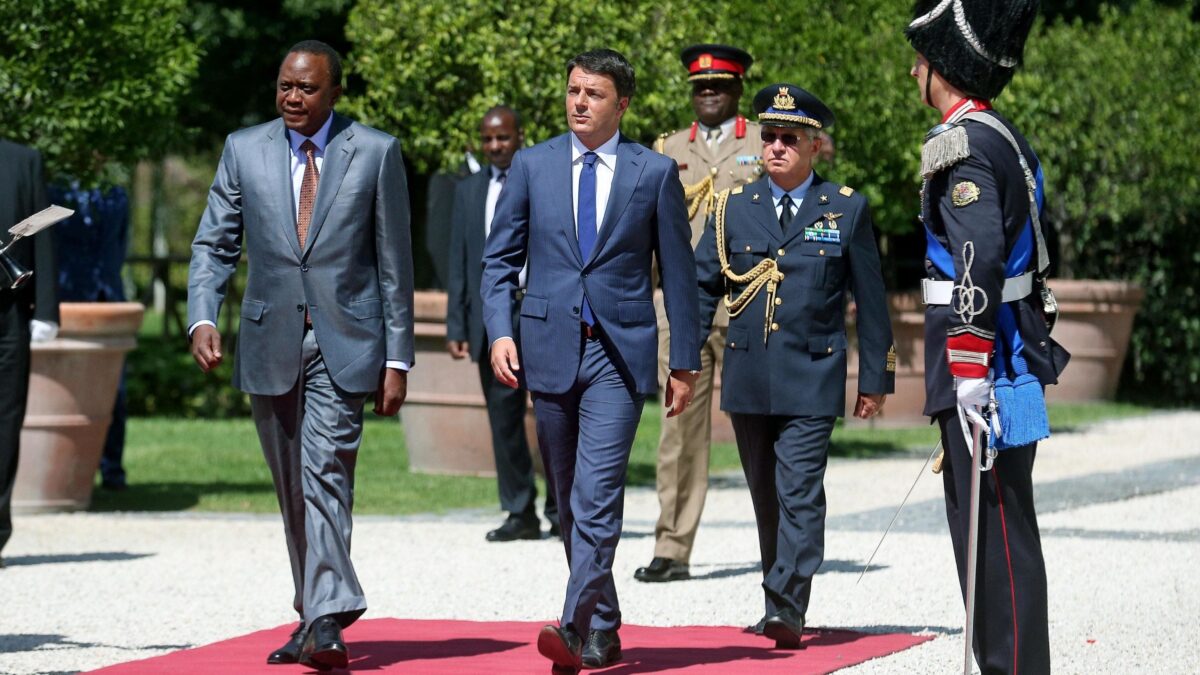
A contract in Kenya was obtained by Cmc in 2014. Othertwo were signed in 2015, on occasion of a visit to Nairobi of our former Prime Minister Matteo Renzi, who was photographed together with President Uhuru Kenyatta wearing a bullet proof vest. The total value of these contracts is more than €800 million. Cmc haestablished a joint venture with another company called Itinera (Gavio group). Their workis part of a wider project to redesign the water distribution in Kenya, which was one of the electoral promises of Mr Kenyatta himself. According to the Kenyan media, the construction has started for the Itare dam only, while the other two – Arror and Kimwarer – are stalled.The investigation started because of an alleged bribe, the amount of which was not clarified by the investigators. It would be part of the sum of Kes 4.9 billion (about €44 million) deposited in a bank of Westland, the Nairobi neighbourhood where the expats live and the international companies have their offices. After the first checks, the official investigation was launched at mid-February. It involves also four Kenyan ministers: Simon Chelugui (Secretary for Water), Henry Rotich (Secretary for national treasury), Najib Balala (Secretary for Tourism) and Mwangi Kiunjuri (Secretary for Agriculture).In addition to Cmc, Dci has summoned other 106 companies. This could be the major misappropriation of public funds ever experienced by Kenya.
For its part, Cmc has deniedt he Kenyan media reports, which wrote that the company went bankrupt and it is ready to leave the country. In a press release, CMC declared that it has already received the first instalment for the Itare dam, amounting to Kes 7.8 billion (€69 million). It added that «due to its difficult financial situation in Italy, it was forced to interrupt the work awaiting the rest of the payment, not yet received up to now». In another press release, Cmc said also that «it continues to be fully committed to completing the Itare Dam Project ahead of or within the contracted time frame and its contractual entitlements». As regards the alleged international corruption, the company of Ravenna stated that «it adheres to the highest international standards and Sace (Export Credit Agency, Italian Government-owned entity) is providing insurance cover and financial support». Our journal has learned that the financing was provided by the Italian bank Intesa San Paolo. Meanwhile, a few weeks ago Mr Noordin Haji visited Italy. After serving as Advocate General, Mr Haji joined the National intelligence service.
Over time, he rose through the ranks to become Deputy Director in charge of Economic Crimes at Nis. In March 2018, he was appointed Director of public prosecutions. This role is independent from any other State authority. The Dpp has just to report once a year to the Parliament on its activities of national importance. Today the Dpp key priority is indeed the fight against corruption. In this respect, Mr Haji wants to establish bilateral agreements with other Nations,including Italy, as several Italian companies are active in the areas of Nairobi and Malindi.The trip to Italy of Mr Haji has attracted a considerable interest in Kenya, as during his visitthe DPP would have found some clues about the role of the Treasury Secretary in the Cmc affair. Mr Rotich would be associated with Rita Ricciardi, Chairman of the Italy-Kenya Trade Association.The overall situation looks very complex. The Kenyans authorities themselves releasedcontradictory statements on the amount of money involved in the Cmc scandal. The deputy president William Ruto said that the investigation is related to KES 7.1 billion, 4.9 of whichwere paid for the Kimwarer dam and 3.2 for the Arror dam, even if their construction is stopped. The Secretary for Water, Mr Chelugui, declared that the amount is three times higher than that, and distanced himself from the project, saying that he was decided by the Ministry of Regional Cooperation. In reality the 2015 negotiation with Cmc was managedby the Ministry of Treasury… In short, there is a great deal of confusion under the sky. Thereason is eminently political, as the opposition wants to use this case to discredit PresidentKenyatta, who looks increasingly isolated and criticised.
From the Secret Service headquarters to the brother of Maria Elena Boschi: the history of a difficult year
Cmc of Ravenna is one of the most ancient Italian cooperatives, which has always been veryclose to the left-wing parties. Founded in 1901 by 35 builders of Ravenna, it has been aconstruction leader in Italy for more than one century. Its closure would compromise thefuture of our entire country, as the most strategic infrastructures are in its hands. Even thenew headquarters of the Italian Secret Service, to be built in a square of Rome, is managedby this cooperative. The building was being delivered two years ago, while now its completion is expected at the end of 2019. Cmc has today 7,000 employees throughout theworld. 400 of them are based at the Ravenna headquarters.In 2018, more than 70% of the Cmc sales were generated by foreign markets. The companyis active in 40 countries across 4 continents, and boast and order book of more than €4.5billion.
Nevertheless, the financial situation in Italy is highly deteriorated, with a hugedecrease in value of production and liquid assets. Liquidity represents the major problem of Cmc. How to solve this problem if Anas, the management body of the Italian motorways,is not paying its invoices?Cmc has several pending litigations with Anas. The most important one is related to a Sicilian motorway and amounts to €600 million. Several meetings took place in the recentpast, and it seems that an arrangement can be found. However, the situation remains verycritical. At the end of last year, Cmc was expecting €137 million revenues, but in reality it achieved €52 million only.
Thus, it was unable to meet its obligations, including thepayment of the interests in favour of the owners of the bond loan issued on November 16, 2017, the total amount of which was €575 million. As a consequence, the company received several cease and desist letters from its creditors, and entered insolvency proceedings. According with «Il Sole 24 ore » newspaper, the final arrangement should imply the dismissal of several assets. Now the company has to present a plan within 60 days. When Matteo Renzi was at the helm of the Government, the interest of several Ministers of his cabinet for Cmc has provoked much controversy, especially when the brother of Minister Boschi was hired by the Ravenna cooperative. Even the former treasurer of theDemocratic Party, Francesco Bonifazi, made a lot of efforts to save Cmc. Clearly they were not effective enough.
Continua a leggereRiduci
The scandal breaks out in Nairobi. The investigations affect also four ministers of theGovernment of Uhuru Kenyatta. In the middle of this scandal there are three dams, for atotal value of €800 million. Two of them are built in joint venture with Itinera (Gaviogroup). The Directorate of Criminal Investigations (Dci) is examining a bank account in Westland, looking for bribes. The construction company replies to our journal: «Ourcontracting and financial procedures adhere to the highest international standards. Particularly, our loans are secured by SACE».All the troubles of the cooperative that hired the brother of Maria Elena Boschi. The 1.2billion litigation with Anas, the request of an arrangement with creditors in December 2018, the Secret Service headquarters still to be completed.In the special are two articlesThere's a new investigation coming from Africa. This time it relates to an Italian construction giant, Cmc of Ravenna, rocked by major scandals in Kenya. International corruption is the alleged offence. The Directorate of Criminal Investigations (DCI) is incharge of the inquiry, together with other investigating bodies both inside and outside the African country. Cmc is under indictment. This historical «red cooperative» is also threatened with bankruptcy if Anas [the management entity of the Italian motorways] does not unlock a number of construction sites. Cmc is in the middle of a litigation with Anas involving the gigantic amount of €1.2 billion. Also for this reason, the company requested to be admitted to the so-called «arrangement with creditors» procedure. In addition major problems are coming from Kenya where CMC is suspected of having paid bribes to win the bids related to three dams. We should not forget that Italy is a key commercial partner of Kenya. In 2018, our export to this country amounted to €180 million.But let's start from the beginning. A contract in Kenya was obtained by Cmc in 2014. Othertwo were signed in 2015, on occasion of a visit to Nairobi of our former Prime Minister Matteo Renzi, who was photographed together with President Uhuru Kenyatta wearing a bullet proof vest. The total value of these contracts is more than €800 million. Cmc haestablished a joint venture with another company called Itinera (Gavio group). Their workis part of a wider project to redesign the water distribution in Kenya, which was one of the electoral promises of Mr Kenyatta himself. According to the Kenyan media, the construction has started for the Itare dam only, while the other two – Arror and Kimwarer – are stalled.The investigation started because of an alleged bribe, the amount of which was not clarified by the investigators. It would be part of the sum of Kes 4.9 billion (about €44 million) deposited in a bank of Westland, the Nairobi neighbourhood where the expats live and the international companies have their offices. After the first checks, the official investigation was launched at mid-February. It involves also four Kenyan ministers: Simon Chelugui (Secretary for Water), Henry Rotich (Secretary for national treasury), Najib Balala (Secretary for Tourism) and Mwangi Kiunjuri (Secretary for Agriculture).In addition to Cmc, Dci has summoned other 106 companies. This could be the major misappropriation of public funds ever experienced by Kenya. For its part, Cmc has deniedt he Kenyan media reports, which wrote that the company went bankrupt and it is ready to leave the country. In a press release, CMC declared that it has already received the first instalment for the Itare dam, amounting to Kes 7.8 billion (€69 million). It added that «due to its difficult financial situation in Italy, it was forced to interrupt the work awaiting the rest of the payment, not yet received up to now». In another press release, Cmc said also that «it continues to be fully committed to completing the Itare Dam Project ahead of or within the contracted time frame and its contractual entitlements». As regards the alleged international corruption, the company of Ravenna stated that «it adheres to the highest international standards and Sace (Export Credit Agency, Italian Government-owned entity) is providing insurance cover and financial support». Our journal has learned that the financing was provided by the Italian bank Intesa San Paolo. Meanwhile, a few weeks ago Mr Noordin Haji visited Italy. After serving as Advocate General, Mr Haji joined the National intelligence service. Over time, he rose through the ranks to become Deputy Director in charge of Economic Crimes at Nis. In March 2018, he was appointed Director of public prosecutions. This role is independent from any other State authority. The Dpp has just to report once a year to the Parliament on its activities of national importance. Today the Dpp key priority is indeed the fight against corruption. In this respect, Mr Haji wants to establish bilateral agreements with other Nations,including Italy, as several Italian companies are active in the areas of Nairobi and Malindi.The trip to Italy of Mr Haji has attracted a considerable interest in Kenya, as during his visitthe DPP would have found some clues about the role of the Treasury Secretary in the Cmc affair. Mr Rotich would be associated with Rita Ricciardi, Chairman of the Italy-Kenya Trade Association.The overall situation looks very complex. The Kenyans authorities themselves releasedcontradictory statements on the amount of money involved in the Cmc scandal. The deputy president William Ruto said that the investigation is related to KES 7.1 billion, 4.9 of whichwere paid for the Kimwarer dam and 3.2 for the Arror dam, even if their construction is stopped. The Secretary for Water, Mr Chelugui, declared that the amount is three times higher than that, and distanced himself from the project, saying that he was decided by the Ministry of Regional Cooperation. In reality the 2015 negotiation with Cmc was managedby the Ministry of Treasury… In short, there is a great deal of confusion under the sky. Thereason is eminently political, as the opposition wants to use this case to discredit PresidentKenyatta, who looks increasingly isolated and criticised.<div class="rebellt-item col1" id="rebelltitem1" data-id="1" data-reload-ads="false" data-is-image="False" data-href="https://www.laverita.info/the-red-cooperative-cmc-under-investigation-for-bribery-in-kenya-investigators-are-scrutinizing-the-contract-signed-in-the-days-of-matteo-renzi-2630962458.html?rebelltitem=1#rebelltitem1" data-basename="from-the-secret-service-headquarters-to-the-brother-of-maria-elena-boschi-the-history-of-a-difficult-year" data-post-id="2630962458" data-published-at="1767887382" data-use-pagination="False"> From the Secret Service headquarters to the brother of Maria Elena Boschi: the history of a difficult year Cmc of Ravenna is one of the most ancient Italian cooperatives, which has always been veryclose to the left-wing parties. Founded in 1901 by 35 builders of Ravenna, it has been aconstruction leader in Italy for more than one century. Its closure would compromise thefuture of our entire country, as the most strategic infrastructures are in its hands. Even thenew headquarters of the Italian Secret Service, to be built in a square of Rome, is managedby this cooperative. The building was being delivered two years ago, while now its completion is expected at the end of 2019. Cmc has today 7,000 employees throughout theworld. 400 of them are based at the Ravenna headquarters.In 2018, more than 70% of the Cmc sales were generated by foreign markets. The companyis active in 40 countries across 4 continents, and boast and order book of more than €4.5billion. Nevertheless, the financial situation in Italy is highly deteriorated, with a hugedecrease in value of production and liquid assets. Liquidity represents the major problem of Cmc. How to solve this problem if Anas, the management body of the Italian motorways,is not paying its invoices?Cmc has several pending litigations with Anas. The most important one is related to a Sicilian motorway and amounts to €600 million. Several meetings took place in the recentpast, and it seems that an arrangement can be found. However, the situation remains verycritical. At the end of last year, Cmc was expecting €137 million revenues, but in reality it achieved €52 million only. Thus, it was unable to meet its obligations, including thepayment of the interests in favour of the owners of the bond loan issued on November 16, 2017, the total amount of which was €575 million. As a consequence, the company received several cease and desist letters from its creditors, and entered insolvency proceedings. According with «Il Sole 24 ore » newspaper, the final arrangement should imply the dismissal of several assets. Now the company has to present a plan within 60 days. When Matteo Renzi was at the helm of the Government, the interest of several Ministers of his cabinet for Cmc has provoked much controversy, especially when the brother of Minister Boschi was hired by the Ravenna cooperative. Even the former treasurer of theDemocratic Party, Francesco Bonifazi, made a lot of efforts to save Cmc. Clearly they were not effective enough.
content.jwplatform.com
Domenico Pianese, segretario del COISP, spiega perché, anche quando pericolosi, gli immigrati irregolare non vengono espulsi dal nostro Paese, partendo dai casi di Aurora Livoli e del capotreno ucciso a Bologna. Tra decreti di espulsione inefficaci, burocrazia, accordi internazionali e decisioni giudiziarie, emerge un sistema che lascia liberi soggetti pericolosi e scarica il peso sulle forze dell’ordine.
John Logie Baird (a destra) durante una dimostrazione del suo apparecchio televisivo (Getty Images)
Baird, nato nel 1888 in Scozia, era un inventore per passione. Estroso sin dall’infanzia pur minato da una salute cagionevole, si specializzò nel campo dell’ingegneria elettrica. Dopo l’interruzione degli studi a causa della Grande Guerra, lavorò per la locale società elettrica «Clyde Valley Electrical Company» prima di diventare piccolo imprenditore nello stesso settore. Il sogno di trasmettere suoni e immagini a distanza per mezzo di cavi elettrici era il sogno di molti ricercatori dell’epoca, che anche Baird perseguì fin da giovanissimo, quando realizzò da solo una linea telefonica per comunicare con le camerette degli amici che abitavano nella sua via. La chiave di volta per l’invenzione del primo televisore arrivò nei primi anni Venti, quando l’inventore scozzese sfruttò a sua volta un dispositivo nato quarant’anni prima. Si trattava dell’apparecchio noto come «disco di Nipkow», dal nome del suo inventore Paul Gottlieb Nipkow che lo brevettò nel 1883. Questo consisteva in un disco rotante ligneo dove erano praticati fori disposti a spirale che, girando rapidamente di fronte ad un’immagine illuminata, la scomponevano in linee come un rudimentale scanner. La rotazione del disco generava un segnale luminoso variabile, che Baird fu in grado di tradurre in una serie di impulsi elettrici differenziati a seconda dell’intensità luminosa generata dall’effetto dei fori. La trasmissione degli impulsi avveniva per mezzo di una cellula fotoelettrica, che traduceva il segnale e lo inviava ad una linea elettrica, al termine della quale stava un apparecchio ricevente del tutto simile a quello trasmittente dove il disco di Nipkow, ricevuto l’impulso, girava allo stesso modo di quello del televisore che aveva catturato l’immagine. L’apparecchio ricevente era dotato di un vetro temperato che, colpito dagli impulsi luminosi del disco rotante, riproduceva l’immagine trasmessa elettricamente con una definizione di 30 linee. John Logie Baird riuscì per la prima volta a riprodurre l’immagine tra due apparecchi nel suo laboratorio nel 1924 utilizzando la maschera di un burattino ventriloquo truccata e fortemente illuminata, condizione necessaria per la trasmissione di un’immagine minimamente leggibile. La prima televisione elettromeccanica a distanza fu presentata da Baird il 26 gennaio 1926 a Londra di fronte ad un comitato di scienziati. Gli apparecchi furono sistemati in due stanze separate e Baird mosse la testa del manichino «Stooky Bill», che comparve simultaneamente sul vetro retroilluminato dell’apparecchio ricevente riproducendo fedelmente i movimenti. Anche se poco definita, quella primissima trasmissione televisiva segnò un punto di svolta. L’esperimento fece molta impressione negli ambienti scientifici inglesi, che nei mesi successivi assistettero ad altre dimostrazioni durante le quali fu usato per la prima volta un uomo in carne ed ossa, il fattorino di Baird William Edward Taynton, che può essere considerato il primo attore televisivo della storia.
Tra il 1926 e la fine del decennio l’invenzione di Baird ebbe larga eco, ed il suo sistema fu alla base delle prime trasmissioni della BBC iniziate nel 1929. Il sistema elettromeccanico tuttavia aveva grandi limiti. Il disco di Nipkow impediva la crescita della definizione e la meccanica era rumorosa e fragile. Il sistema Baird fu abbandonato negli anni Trenta con la nascita della televisione elettronica basata sull’utilizzo del tubo catodico.
Continua a leggereRiduci
«Non è un investimento per i deboli di cuore», avverte il fondo Canaima, prevedendo che per districare il pantano politico ed economico serviranno anni. Nel resto dell’America Latina, tra reazioni politiche e minacce tariffarie, i listini continuano a macinare.
«La cattura di Maduro ha una valenza geopolitica ed economica profonda, ma questa “invasione di campo” preoccupa i vicini», spiega Salvatore Gaziano, responsabile delle strategie di investimento di SoldiExpert Scf. «Messico, Colombia e Brasile hanno reagito con durezza, parlando di linee inaccettabili superate. Eppure, nonostante le minacce di Trump e i dazi pesantissimi, i mercati azionari dell’area nell’ultimo anno e anche nelle ultime sedute hanno messo a segno performance positive quasi da record».
D’altronde, «il Messico non è più solo una meta turistica o un fornitore di materie prime, ma è diventato l’hub manifatturiero vitale per l’industria americana», continua Gaziano. «Grazie alla vicinanza geografica e ai vantaggi logistici dell’accordo Usmca, l’85% dell’export messicano resta immune dai dazi. Questo spiega la crescita esplosiva di titoli come Cemex (+83%) o dei gruppi aeroportuali (Gap e Oma): ogni nuova fabbrica costruita per servire il mercato Usa genera un indotto infrastrutturale che la borsa sta premiando con multipli generosi».
Anche il Brasile se la passa bene. Le esportazioni sono ai massimi e il mercato azionario rimane secondo molti analisti attraente: l’indice Msci Brazil è scambiato a circa 10 volte gli utili futuri, con un rendimento da dividendi che sfiora il 6%. E i dazi hanno finora avuto un impatto limitato perché il Paese ha saputo diversificare, esportando record di soia verso la Cina.
Del resto, il ciclo dei tassi di interesse in Brasile sembra aver raggiunto il suo apice al 15%, e questo lascia spazio a un potenziale allentamento monetario che favorirebbe ulteriormente le valutazioni azionarie. Il mercato sembra aver trovato un accordo con Lula, preferendo la stabilità della riforma fiscale alle incertezze di uno scontro frontale con Washington.
Il Sud America nonostante tutto rappresenta per molti analisti un’opportunità tattica tra le più interessanti dei mercati emergenti seppur rischiosa per i rischi politici e geopolitici. La scommessa degli investitori è chiara: la regione è diventata troppo cruciale per le filiere globali. Dal petrolio al cemento passando per l’acciaio, stiamo parlando di mercati interessanti per le economie più sviluppate, sempre più bisognose di materie prime necessarie per supportate la digitalizzazione e, più in generale, lo sviluppo delle nuove infrastrutture tecnologiche.
Continua a leggereRiduci